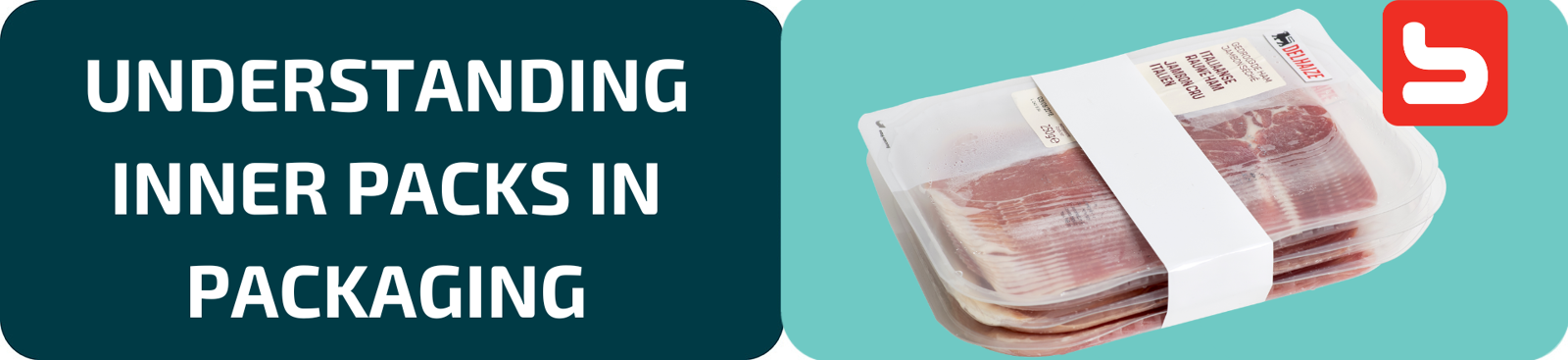
Inner pack in packaging: Purpose, challenges, and alternatives
Inner packs are commonly used in packaging and logistics to organize products inside larger shipping cartons. They help group multiple items so that products can be transported, handled, and distributed more efficiently.
In many industries, inner packs make it easier for retailers, distributors, and warehouses to manage products in smaller quantities rather than dealing with large master cartons.
However, traditional methods for creating inner packs often rely on additional packaging materials such as shrink film, sleeves, or extra cartons. As companies look for ways to simplify packaging and reduce material usage, alternative solutions, such as banding, are increasingly being used to create efficient inner packs.
Key takeaways
- Inner packs group smaller quantities of products inside larger shipping cartons.
- They help improve product organization, handling, transport protection, and inventory efficiency.
- Banding offers a material-efficient alternative by securing products with a narrow paper or film band.
- For automated packaging lines, banding can help create consistent inner pack quantities quickly and efficiently.
What is an inner pack?
An inner pack is a smaller bundle of products grouped inside a larger shipping carton. Instead of placing individual items directly into a master carton, products are first grouped into inner packs and then placed into the outer packaging.
This approach helps organize products throughout the supply chain and makes distribution easier for retailers and wholesalers.
Inner packs are widely used across many industries, including:
For example, a carton may contain several inner packs, each consisting of multiple retail units. This allows retailers or distributors to remove smaller bundles rather than unpacking the entire carton.
What is the purpose of an inner pack?
Inner packs serve several important functions in packaging and logistics. Their main purpose is to organize products and improve efficiency throughout the supply chain.
Product Organization
Inner packs keep products grouped inside larger cartons. This prevents items from moving freely within the package and helps maintain a structured layout during transport.
Improved Handling
Distributors and retailers can handle products in smaller groups rather than individual items. This makes inventory management and restocking more efficient.
Protection During Transport
Grouping products into inner packs helps reduce product movement inside the carton, which lowers the risk of damage during transport.
Inventory Efficiency
Inner packs often contain a fixed number of products. This makes counting and distributing products easier for warehouses and retailers.
Understanding these differences helps companies design packaging systems that support efficient logistics and inventory handling.
Common challenges with traditional inner packs
While inner packs provide many logistical benefits, traditional methods for creating them often introduce additional complexity.
Common challenges include:
- Excess packaging materials, such as shrink film or cardboard sleeves
- Extra packaging steps during production
- Limited product visibility inside the packaging
- Increased waste from disposable packaging materials
These challenges have led many companies to look for simpler and more material-efficient ways to create inner packs.
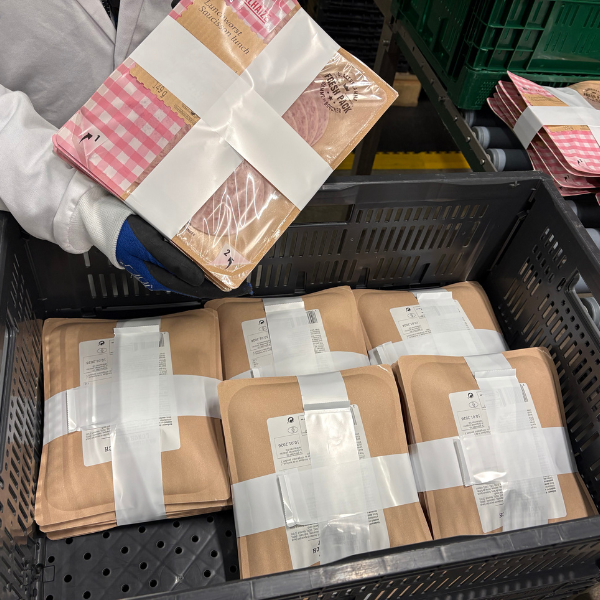
Creating inner packs with banding
One alternative approach for creating inner packs is banding.
Banding bundles products together using a narrow strip of material placed around the product group. Instead of wrapping products completely or adding additional packaging layers, the band simply secures the products into a stable bundle.
This method allows companies to create inner packs while using significantly less packaging material.
Banding can be used to:
- Bundle products into consistent inner pack quantities
- Maintain visibility of the product inside the bundle
- Reduce packaging material usage
- Simplify the packaging process
Banding is commonly used in industries such as food packaging, printed materials, and cosmetics, where product visibility and efficient bundling are important.
Advantages of banding for inner pack applications
Using banding to create inner packs offers several advantages compared to traditional packaging methods.
Reduced Packaging Material
Banding uses only a narrow strip of material rather than fully wrapping products, which reduces overall packaging consumption.
Clear Product Visibility
Because the band only covers a small portion of the product, the contents remain clearly visible.
Flexible Branding Opportunities
Printed banding material can include branding, product information, or promotional messages without modifying the primary packaging.
Compatibility with Automated Packaging Lines
Banding machines can be integrated into packaging lines, allowing inner packs to be created quickly and consistently.
Industries using banding for inner packs
Banding is widely used for inner pack applications across multiple industries.
Food Packaging
Food producers use banding to group packaged products such as trays, cartons, or punnets into stable bundles.
Printing Industry
Printed materials such as brochures, leaflets, or magazines are often bundled using bands to create organized inner packs.
Cosmetics Packaging
Cosmetic products can be bundled together while maintaining a clean and premium presentation.
Conclusion
Inner packs play an important role in packaging by organizing products inside larger shipping cartons and improving handling throughout the supply chain.
While traditional inner pack solutions often rely on additional packaging materials, many companies are now exploring more efficient alternatives. Banding offers a simple way to create stable inner packs while reducing packaging materials and maintaining product visibility.
If you want to explore more efficient product bundling solutions, you can learn more about banding machines for product bundling.

Applications of banding

Benefits of banding

Banding vs. other solutions

10 Reasons to switch to banding

Zwartz - From shrink wrap to paper bands

Novatrade - Improved quality and efficiency

Packaging food products
