The smarter inner pack solution
Inner packs keep products organized inside master cartons. But when they aren’t bundled properly, products can shift, break apart, or slow down handling throughout the supply chain.
Banding solves this problem.
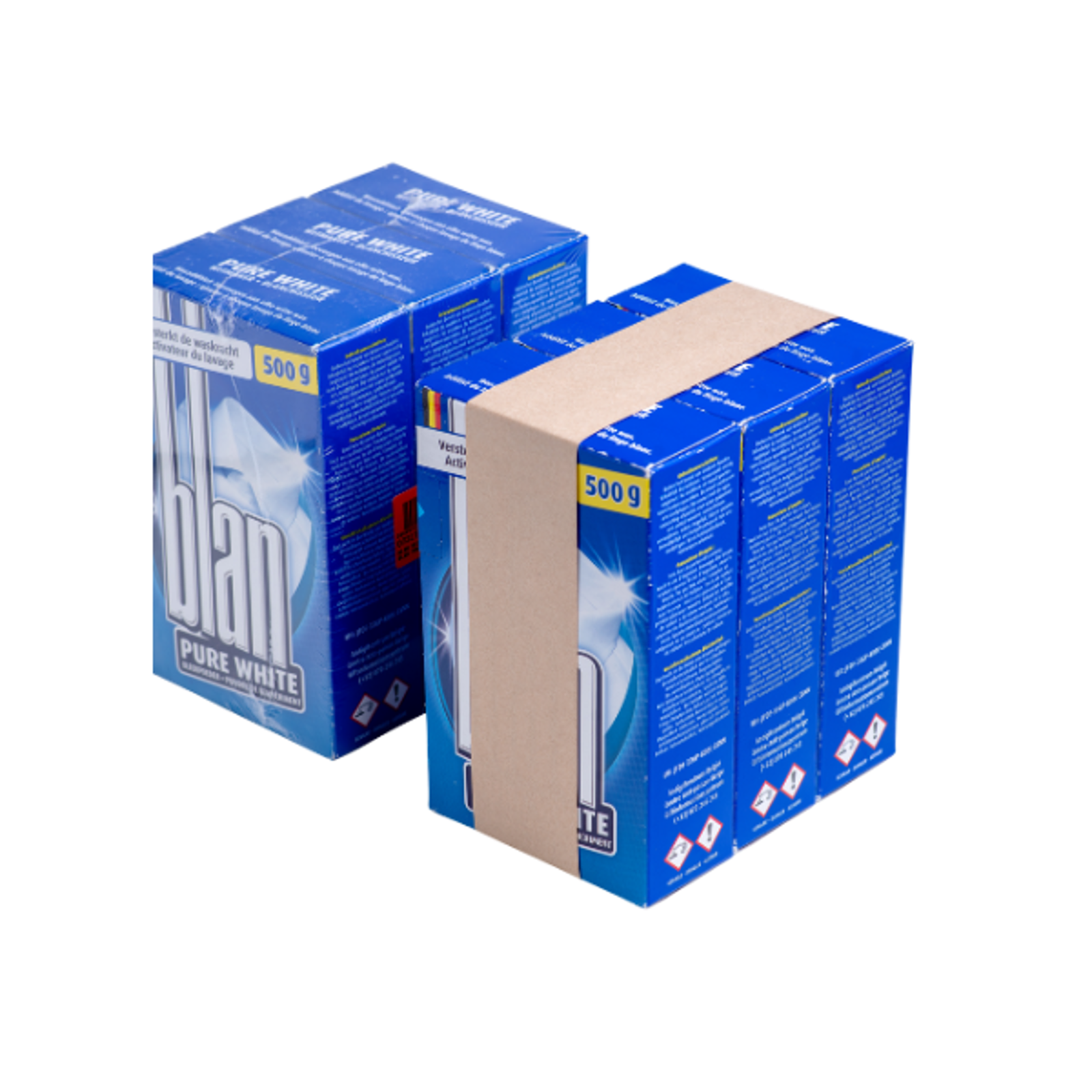
By applying a strong band around grouped products, you create stable inner packs that stay organized during transport, storage, and retail distribution.
What are inner packs?
Inner packs are smaller product bundles placed inside a larger shipping carton. They are commonly used to:
- Organize multiple retail units
- Simplify distribution and shelf replenishment
- Improve inventory handling
Without secure bundling, inner packs can separate or shift, leading to damaged products, inefficient handling, and unnecessary waste.
The problem with traditional inner pack packaging
Many companies still rely on shrink film, tape, or additional cartons to secure inner packs.
Common issues with these methods include:
- Excess plastic packaging, such as shrink film
- Additional cartons inside master boxes
- Slower packaging processes
- Difficult removal of packaging materials during unpacking
- Increased waste disposal for warehouses and retailers
Banding provides a cleaner and more efficient alternative.
Why banding is ideal for inner packs
Strong and secure bundling
Banding keeps inner packs tightly bundled.
Reduced packaging material
Compared to traditional solutions, banding uses minimal material.
Faster packaging processes
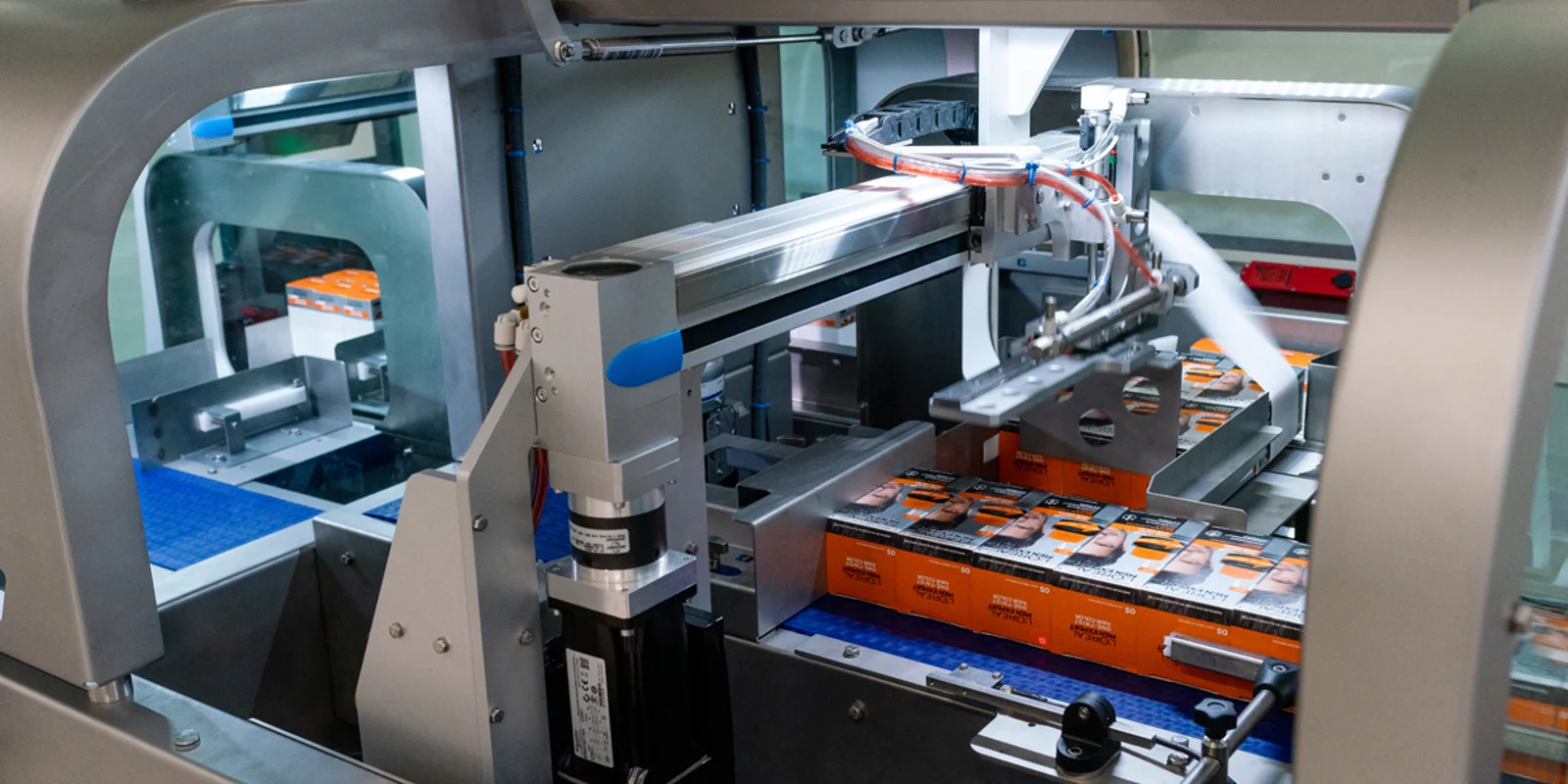
Automatic banding machines can stack and bundle inner packs in seconds.
Easy packaging removal
Banding material uses no adhesives, making removal a quick process.
Sustainable packaging solution
Using less material helps reduce packaging waste and lowers environmental impact.
Better logistics, easier handling
When inner packs are bundled correctly, the entire supply chain becomes more efficient.
Banding creates stable bundles that are easier to transport, store, and handle in warehouses or retail environments. Products remain organized inside cartons and can be unpacked quickly when needed.
This means fewer damaged products, smoother distribution, and faster shelf replenishment.
Inner packs for food packaging
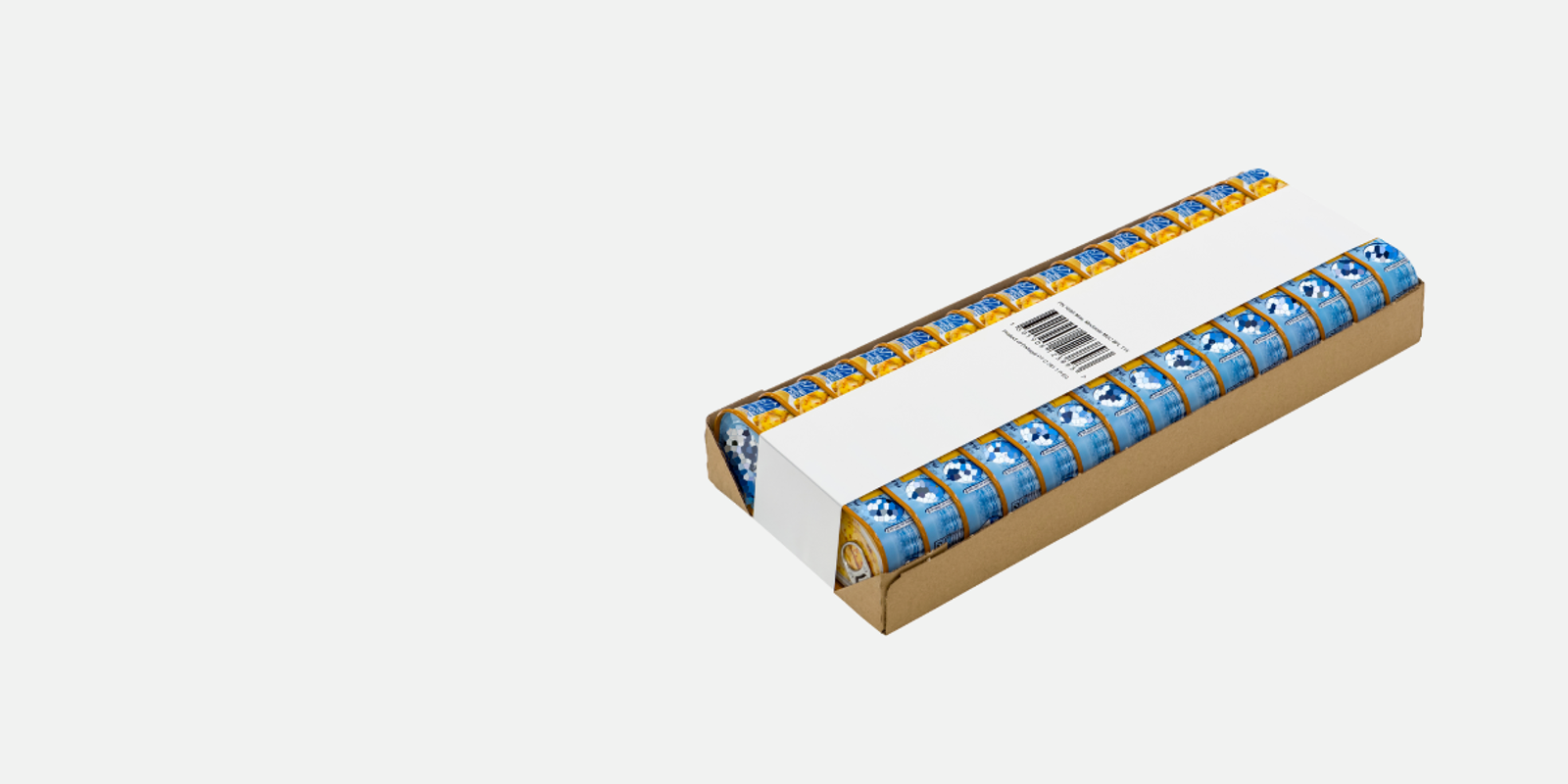
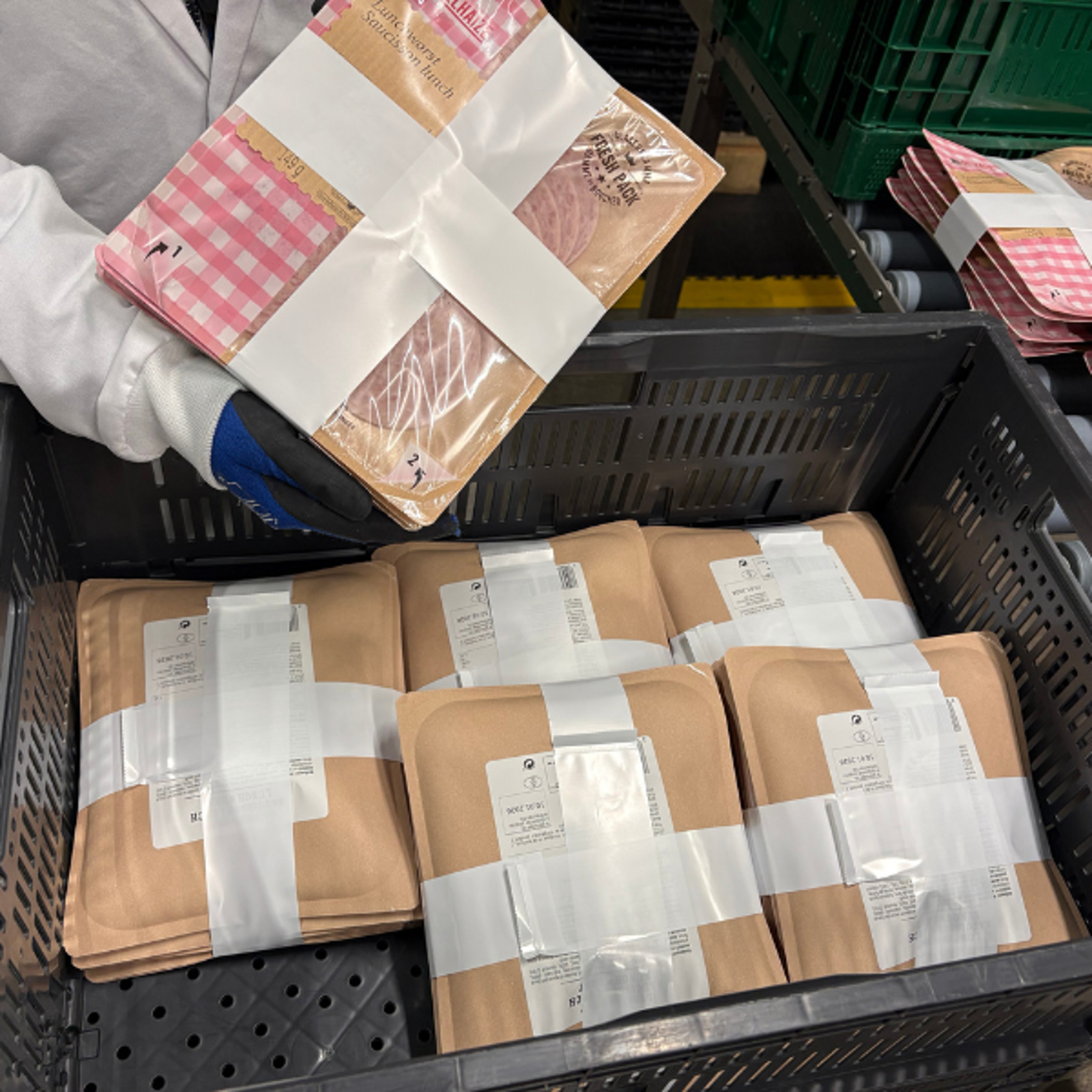
In food packaging, inner packs are often used to group products, such as meat cuts, salami, salmon, or packaged food trays.
Banding makes this process simple and reliable. Because the material wraps around the product, even irregular formats can be bundled securely. For added stability, cross-banding can apply both vertical and horizontal bands to keep products tightly grouped.
Inner packs for retail distribution
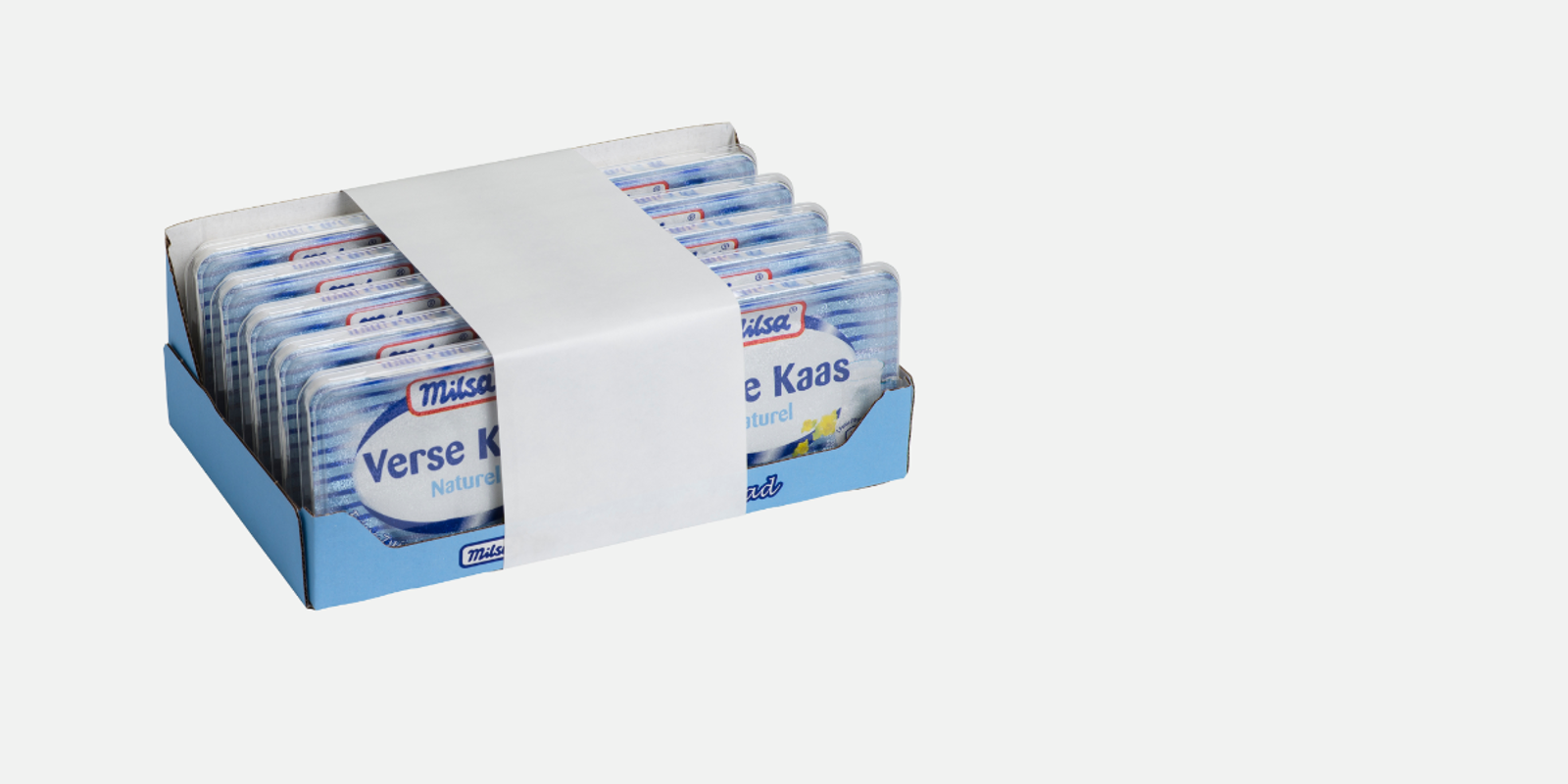
Retailers frequently receive products in inner packs to simplify store operations.
Banding allows you to create retail-ready bundles that stay secure during transport but are easy to remove when products reach the store. This reduces packaging waste and allows retailers to place products on shelves quickly.
Inner packs for cosmetic products
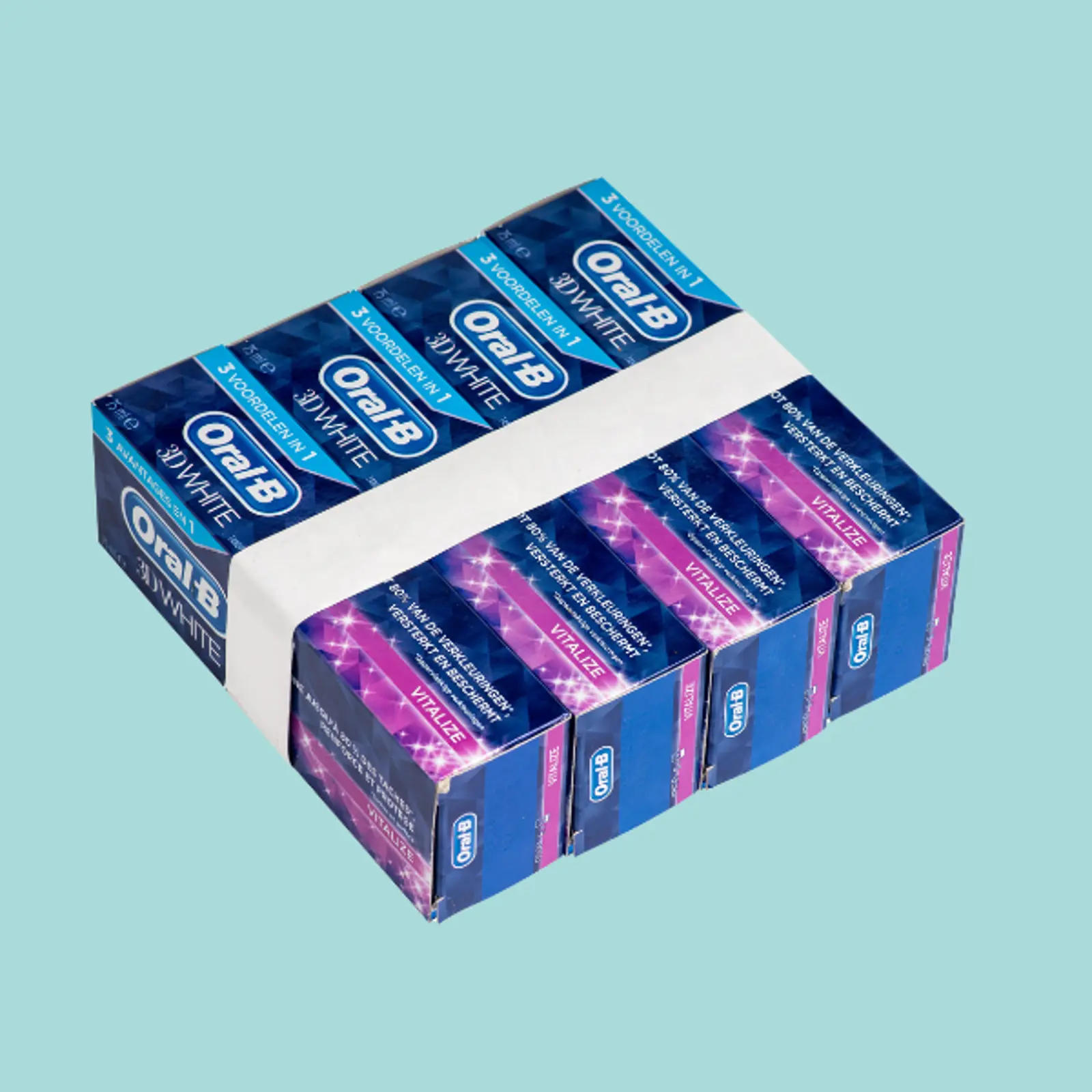
Cosmetic products often require clean, minimal packaging that still looks premium.
Banding provides a simple way to bundle products while maintaining a sleek presentation. Printed bands can also include product information, branding, or variable data without changing the primary packaging.
Inner packs for pharmaceutical packaging
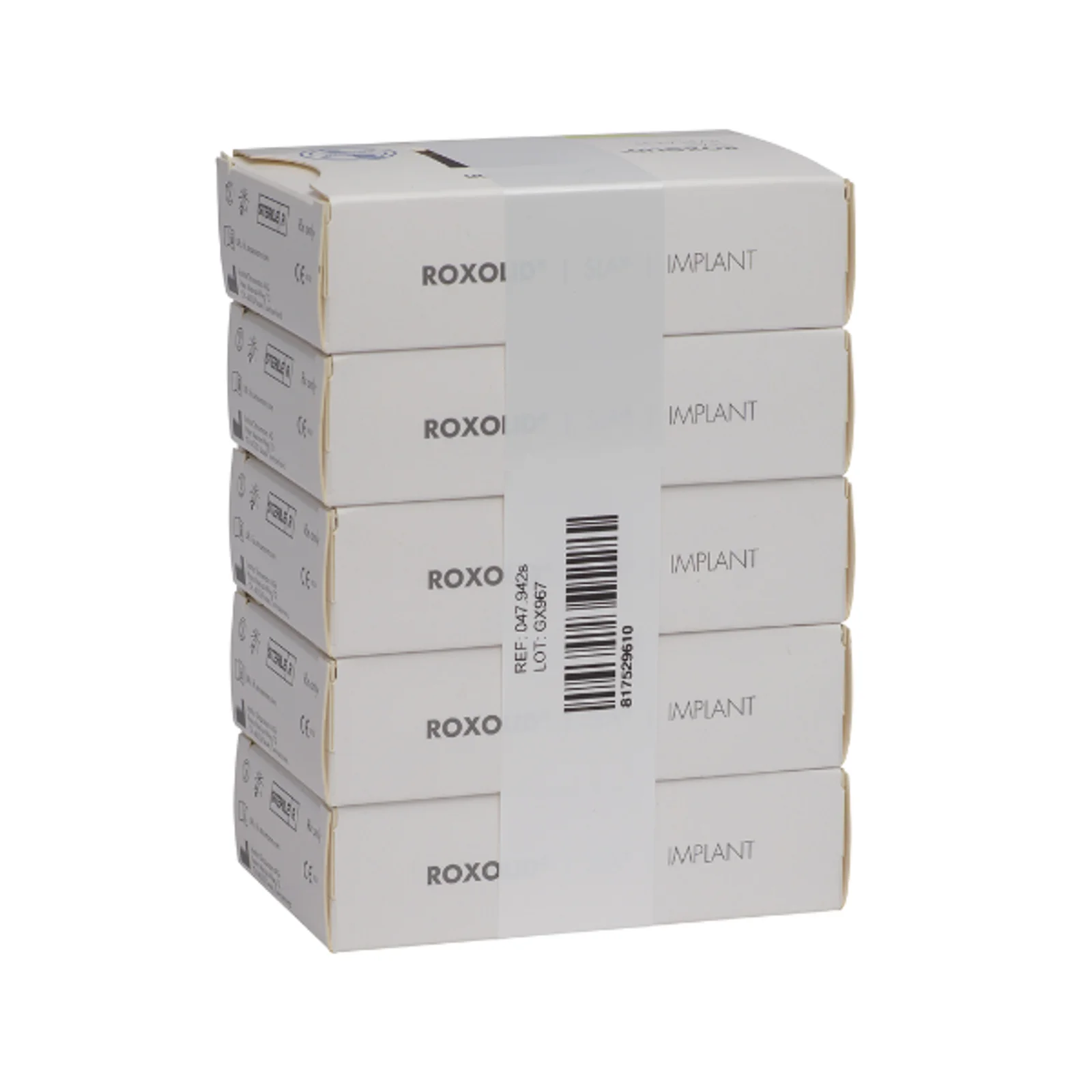
Pharmaceutical products often require secure and well-organized bundling during distribution.
Banding keeps products grouped neatly during transport and warehouse handling. Printed bands can also include traceability information such as batch numbers or product identifiers.
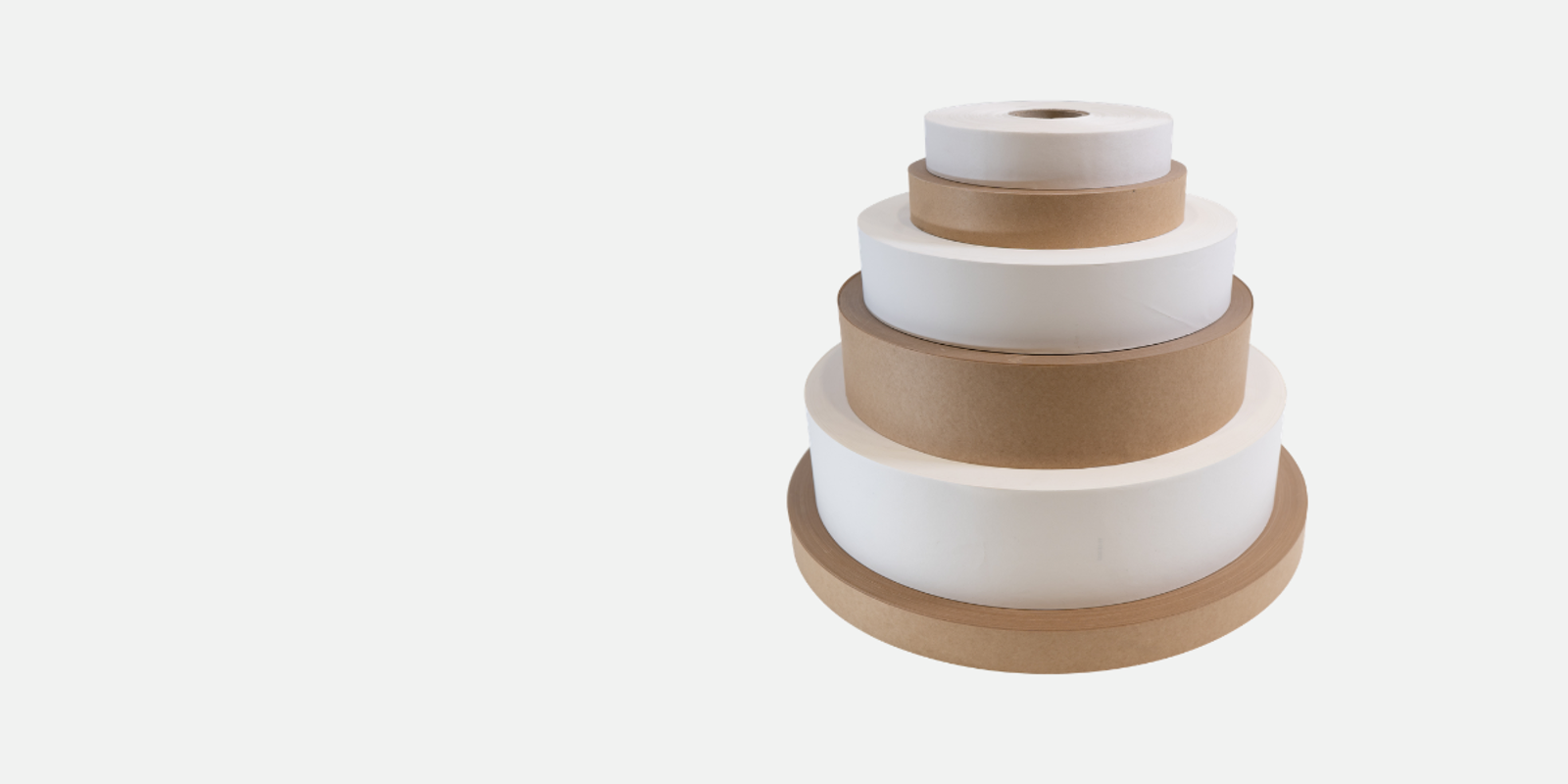
Banding materials for inner pack bundling
Different applications may require different banding materials.
Paper banding is often used when sustainability and plastic reduction are priorities. Film banding may be preferred when higher strength or moisture resistance is required.
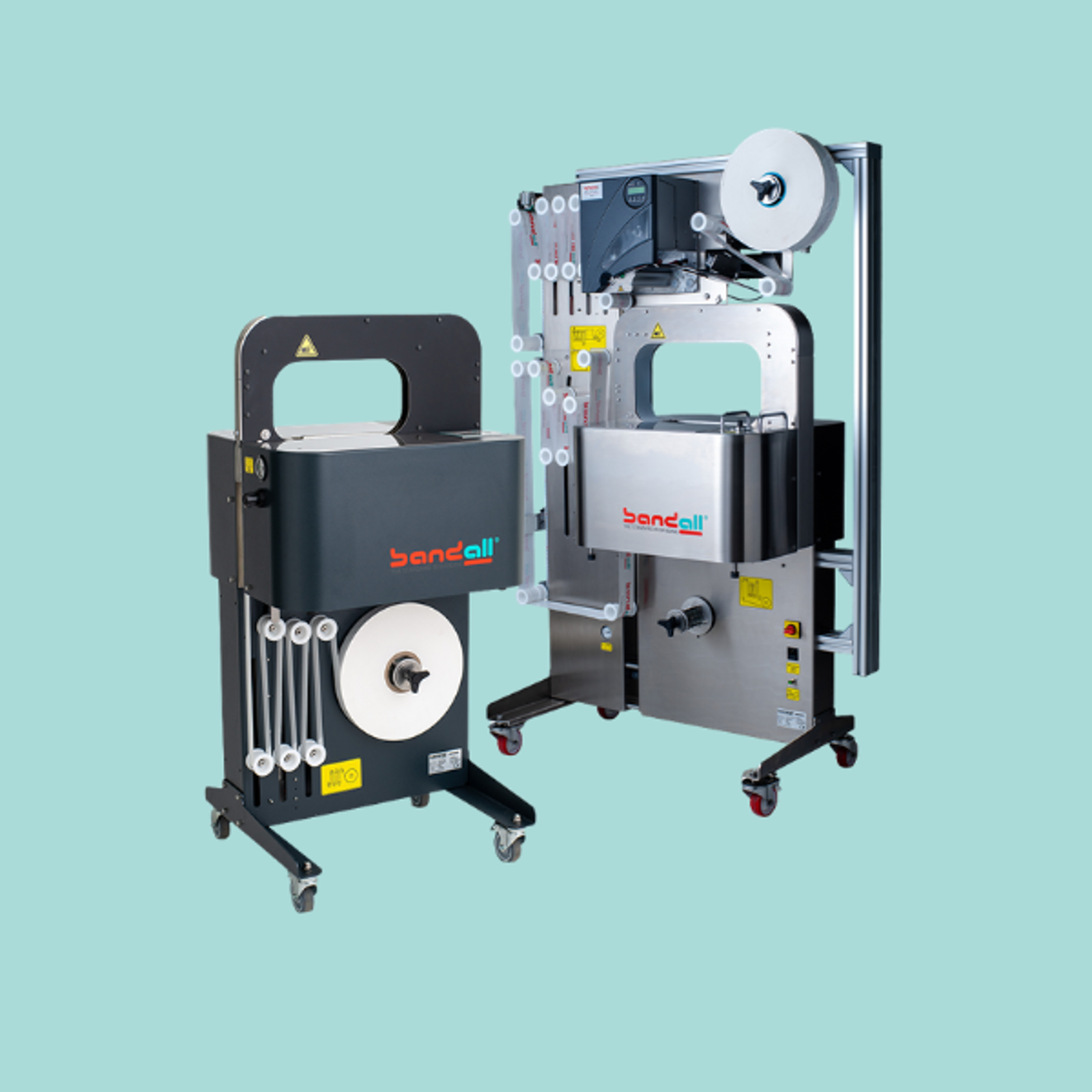
Banding machines for inner pack packaging
The right banding machine depends on your production environment and packaging volume.
Stand-alone banding machines are ideal for flexible packaging environments or packing stations where multiple product formats are handled.
Automatic banding machines are designed for high-volume production lines where products move continuously through the packaging process.